
Buriram weather is governed by a three-season cycle that shapes everything — the rice fields, the festivals, the pace of daily life, and the mood of the province. Understanding which season you’re travelling into makes the difference between a trip that surprises you and one that leaves you unprepared.
The short answer: November to February is the best time to visit. But every season has something to offer, and if you’re coming for the MotoGP race weekend, a Buriram United match, or the Phanom Rung solar alignment, your timing is already decided for you.
Three Seasons at a Glance
Northeast Thailand doesn’t follow a simple wet-and-dry pattern. Buriram has three distinct seasons, each with its own character:
| Season | Months | What to expect |
|---|---|---|
| Cool and dry | November–February | Best time to visit. Clear skies, comfortable days, cool nights. Harvest season. |
| Hot | March–May | Intense heat and humidity. Temperatures regularly exceed 36°C, with 40°C+ possible in April. Songkran in mid-April. |
| Rainy | June–October | Monsoon arrives. Rice is planted. The countryside turns green. Flooding possible in low-lying areas. |
The Cool Season: Buriram Weather at Its Best
Buriram weather in the cool season is, simply, excellent. Daytime temperatures sit around 29–31°C — warm but not punishing — and nights drop to 19–20°C. After months of rain and heat, the air is dry and clear. Locals reach for jumpers. Visitors from northern Europe think it’s perfect.
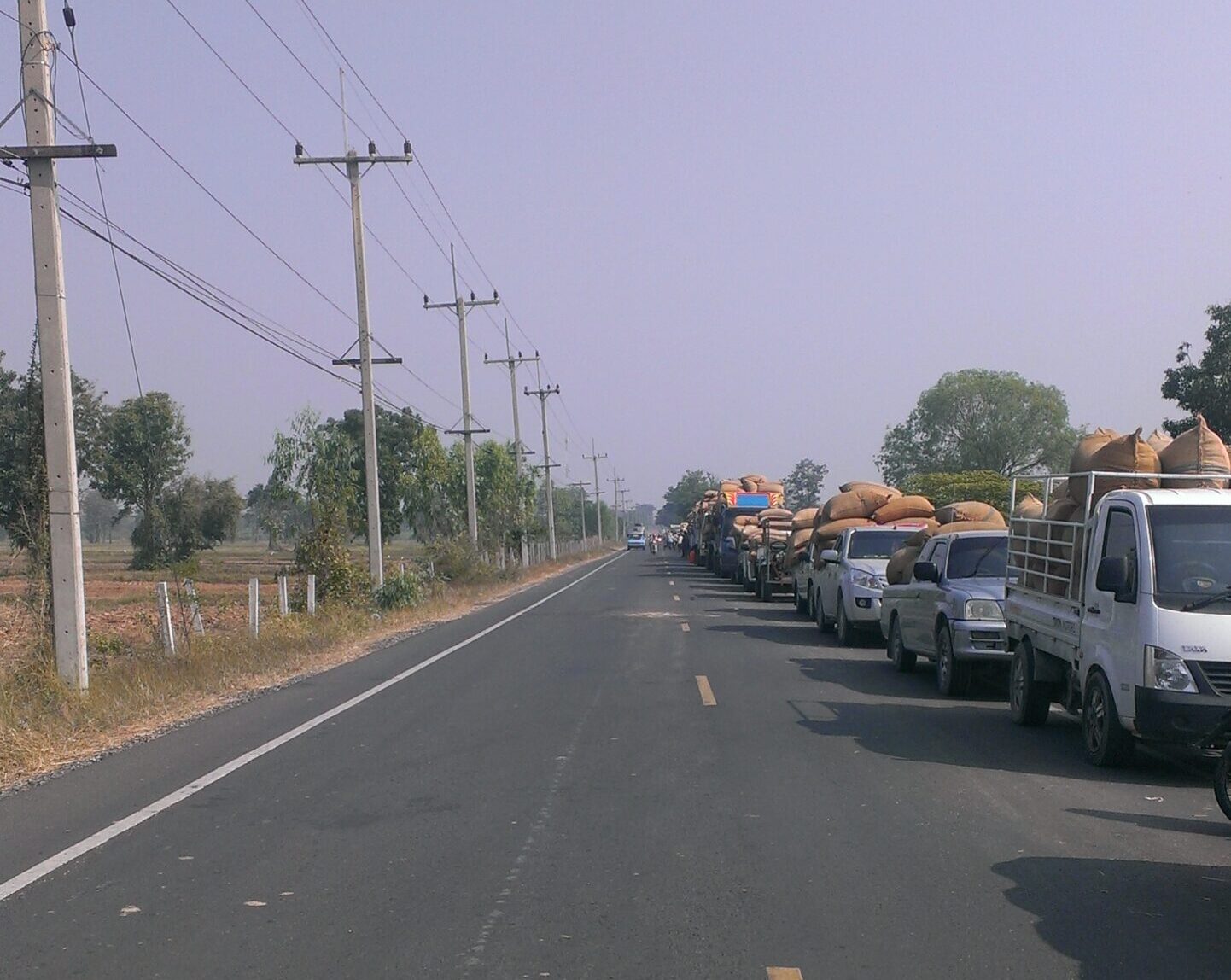
The rice harvest runs through November and December. If you travel through the countryside during these months, you’ll pass convoys of trucks loaded with grain heading to the mills — a spectacle that tells you everything about how this province works. The fields empty out and the landscape opens up, dry and golden.
In fact, December and January are the driest months of the year, with barely 5–8mm of rain across the entire month. February starts to warm but remains dry and comfortable. Overall, this is the season for temple visits, long drives into the countryside, and evenings spent eating outside without thinking about the heat.
Getting to Buriram and accommodation are worth booking earlier than you might expect. The MotoGP race weekend at Chang Circuit falls in late February or early March — right at the end of the cool season — and brings a surge of bookings that affects hotels across the region.
The Hot Season: March to May
Buriram weather changes dramatically in March as the heat begins to build in earnest. By April, temperatures regularly reach 36–38°C, and on the hottest days, 40°C and above is recorded. However, what the thermometer doesn’t capture is the humidity: as the monsoon approaches, the air thickens and stills. The heat index — what the temperature actually feels like — consistently exceeds the measured figure.
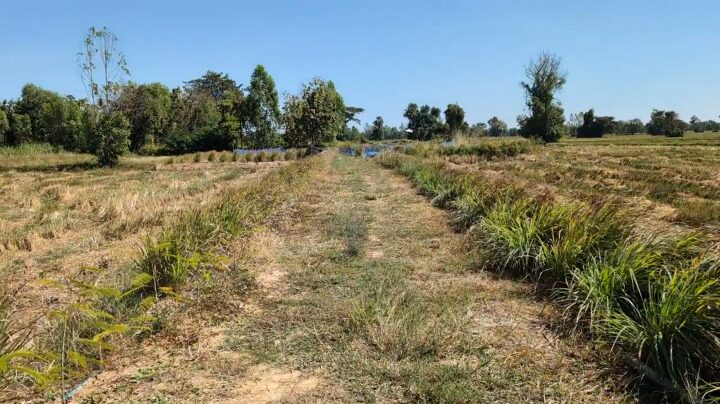
Meanwhile, the fields lie bare after the harvest. There is little shade in the countryside. As a result, nights offer limited relief, staying at 26–27°C — your body never fully recovers the way it does in December, when evenings cool down properly.
Songkran and the Phanom Rung Alignment
This is also the season of Songkran — Thai New Year on 13–15 April. The water-throwing festival that draws visitors from across the world isn’t a coincidence of timing. It’s a direct cultural response to the heat. Getting drenched in the street when it’s 38°C is, genuinely, welcome. Buriram’s Songkran is quieter than Bangkok or Chiang Mai — less chaotic, more local — which suits those who want the experience without the crowds.
April also brings one of Buriram’s most remarkable annual events: the Phanom Rung solar alignment, when the rising sun passes through all fifteen doorways of the 900-year-old Khmer temple. This happens four times a year — April and September at sunrise, March and October at sunset. For the April alignment, the heat is the price of admission. Starting early is not optional. Read the full Phanom Rung guide for exact dates and what the experience involves.
Pre-monsoon thunderstorms arrive in April and May — sudden, violent downpours that build through the afternoon, break dramatically, and disappear within an hour or two. In contrast, they’re nothing like the persistent monsoon rain that follows; they’re isolated events that temporarily flood streets and then leave the air briefly fresher. April rainfall averages around 50mm for the month, concentrated in a handful of these storms rather than spread across rainy days.
March to May is also the burning season in Isaan — farmers clear fields after the rice harvest, and agricultural smoke pushes air quality to poor levels on the worst days. Our tools page has a live Buriram air quality reading if you want to check before heading out.
The Rainy Season: June to October
Buriram weather shifts completely when the monsoon arrives in May or June and doesn’t leave until October. This is the season that makes the province what it is.
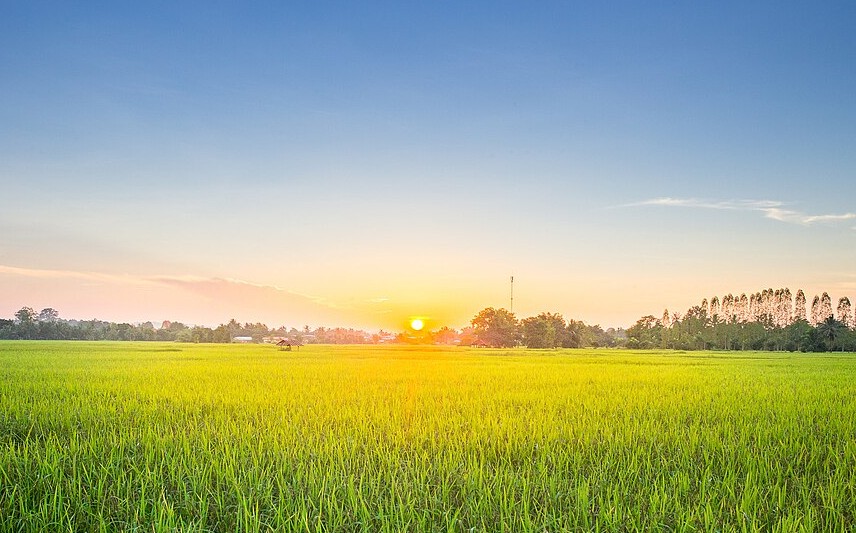
In fact, rainfall builds from around 70mm in June to a peak in September, when monthly totals average 170mm and can reach 270mm or more in wetter years. As a result, the landscape transforms. Paddies flood with standing water. The cracked, bare earth of the hot season disappears under green. Reservoirs fill. The air smells different.
The rice calendar and the meaning of rain
Rice planting begins with the rains — typically June and July. Every available field is planted. The farming year that structures rural life in Buriram follows the monsoon precisely: plant with the rains, tend through August and September, harvest when the fields dry out in November and December.
However, water management during this period is not straightforward. The northeast plateau is prone to both flooding and drought within the same season. Too much rain in September can swamp low-lying fields before the crop is ready. Too little in July and the plants are stressed before they’re established. The reservoirs around Buriram exist to even out these extremes — storing flood water for release during the dry months.
This relationship between rain and survival is why Bun Bang Fai falls in May at the edge of the rainy season. Rockets are fired into the sky to summon the rains from the gods — one of the loudest, most joyful events in the Isaan calendar, rooted in the genuine anxiety of whether the monsoon will arrive on time. Read the full Bun Bang Fai guide for what to expect.
.jpeg)
Visiting during the rainy season
The rainy season has a reputation that puts visitors off unnecessarily. In reality, rain typically falls in the afternoon or evening, not all day. Mornings are usually clear. Furthermore, the temples are quieter, hotel prices are lower, and the countryside is at its most vivid.
The genuine caveats: some rural roads become difficult after heavy rain, low-lying areas around Buriram city can flood, and outdoor plans need flexibility. If you’re travelling during the rainy season, travel insurance covering weather disruption is worth having.
Considering travel insurance for your trip? Get a travel insurance quote for Thailand — World Nomads covers more than 150 adventure activities alongside standard disruption and medical cover.
Buriram Weather: Monthly Climate Data
Average monthly rainfall (mm)
| Month | High °C | Low °C | Rain mm | Rain days |
|---|---|---|---|---|
| January | 31 | 20 | 8 | 1 |
| February | 33 | 23 | 6 | 2 |
| March | 35 | 26 | 23 | 5 |
| April | 36–38 | 27 | 50 | 9 |
| May | 35 | 27 | 82 | 16 |
| June | 33 | 26 | 70 | 16 |
| July | 32 | 25 | 103 | 20 |
| August | 31 | 25 | 116 | 21 |
| September | 31 | 24 | 170+ | 21 |
| October | 30 | 23 | 113 | 12 |
| November | 30 | 22 | 28 | 4 |
| December | 29 | 20 | 5 | 1 |
30-year climate averages. September rainfall can reach 270mm or above in wetter years. April figures represent pre-monsoon convective storms — short and intense, not sustained rain.
Data sources: weatherandclimate.com, World Weather Online.
Best Time for Specific Activities
| Activity | Best time | Notes |
|---|---|---|
| Temple visits | November–February | Cool, clear, comfortable. Best light for photos. |
| MotoGP at Chang Circuit | Late Feb / March | End of cool season — excellent conditions. Book well in advance. |
| Buriram United football | August–May | Thai League 1 season. Cool-season matches (Nov–Feb) most comfortable. |
| Phanom Rung solar alignment | April / September | Sunrise alignment. April is brutal heat — arrive before 7am. |
| Bun Bang Fai rocket festival | May / June | Unmissable if the timing works. |
| Songkran | 13–15 April | Hot but that’s entirely the point. Quieter than Bangkok. |
| Budget travel | June–September | Lower hotel rates. Quieter. Flexible schedule needed. |
What to Pack for Buriram Weather
Cool season (November–February): Light clothing for daytime. A layer for evenings — genuinely useful in December and January when nights drop to 19–20°C. Sunscreen regardless of season.
Hot season (March–May): Loose, light-coloured clothing. High-factor sunscreen. A hat for any outdoor time at temples or in the countryside. Electrolyte drinks or tablets if you’re spending time outside. Water, always.
Rainy season (June–October): Quick-dry clothing. A compact umbrella or lightweight rain jacket. Waterproof cover for any bag carrying a camera or laptop. Sandals that can handle wet ground.
Feature image: Chatchai Jomta, CC BY 3.0 via Wikimedia Commons
Buriram Live covers the real Buriram — temples, football, motorsport, rural life and practical information for visitors and those with deeper connections to the region. No fluff, no sponsored itineraries. Follow Buriram Live on Facebook for new articles and updates.
This article contains affiliate links. If you make a purchase through a link on this page, we may earn a small commission at no extra cost to you.
Get Buriram updates by email
Occasional emails when there is something worth knowing: new guides, festival and MotoGP dates, and Buriram United news. No spam, and you can unsubscribe at any time.
We will email you a link to confirm. See our privacy policy.